
Liverpool Regeneration Tracker
Major schemes, official source links, location notes and qualitative investor relevance for Liverpool property research.
Current tracked Liverpool schemes
Sorted by latest project review or update. Project cards show status, location, relevant postcode districts and research context. Delivery dates and property-market effects carry risk, remain qualitative and are not a guarantee.
Kings Waterfront Masterplan
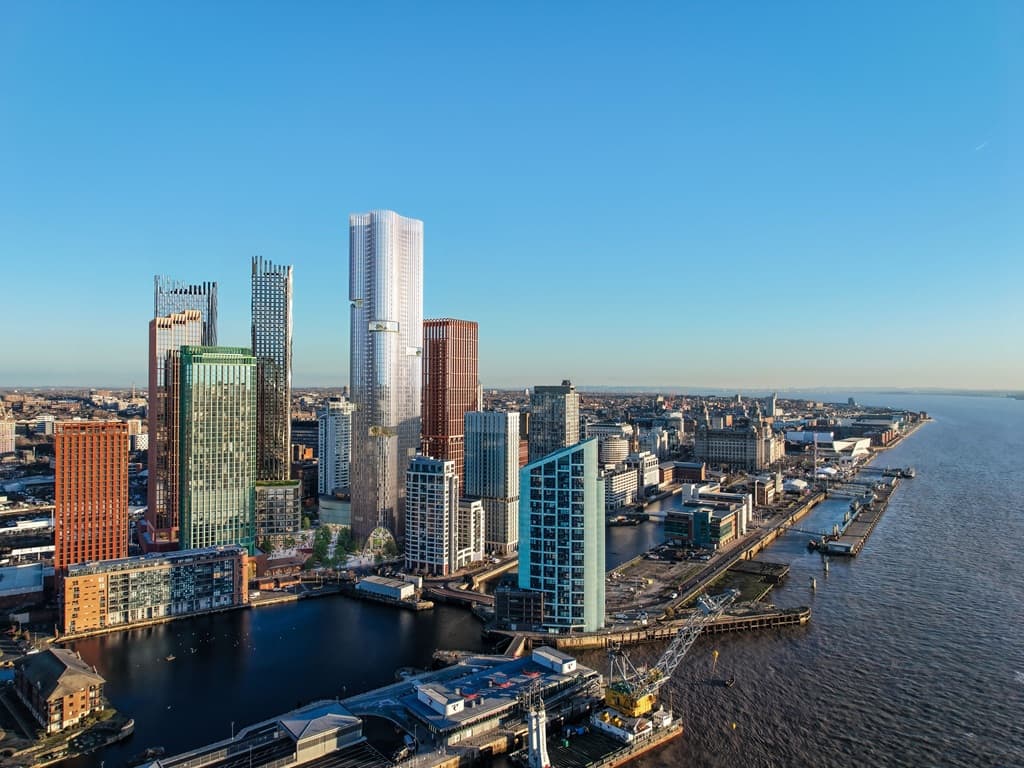
Kings is a proposed mixed-use neighbourhood on an eight-acre Liverpool waterfront site, led by Davos Property Developments and Beetham Davos. The wider concept includes 10 buildings, around 2,750 homes, offices, hotels, leisure uses and a proposed 70-storey centrepiece. No. 1 Kings, a separate 28-storey first tower, has planning consent. The wider masterplan completed consultation in May 2026 and remained at the pre-submission stage at the latest check. Previously stated site-start and application targets are not treated as completed milestones until the developer or planning authority confirms them.
Current phasePlanning; first tower consented
Pall Mall Office and Park Development
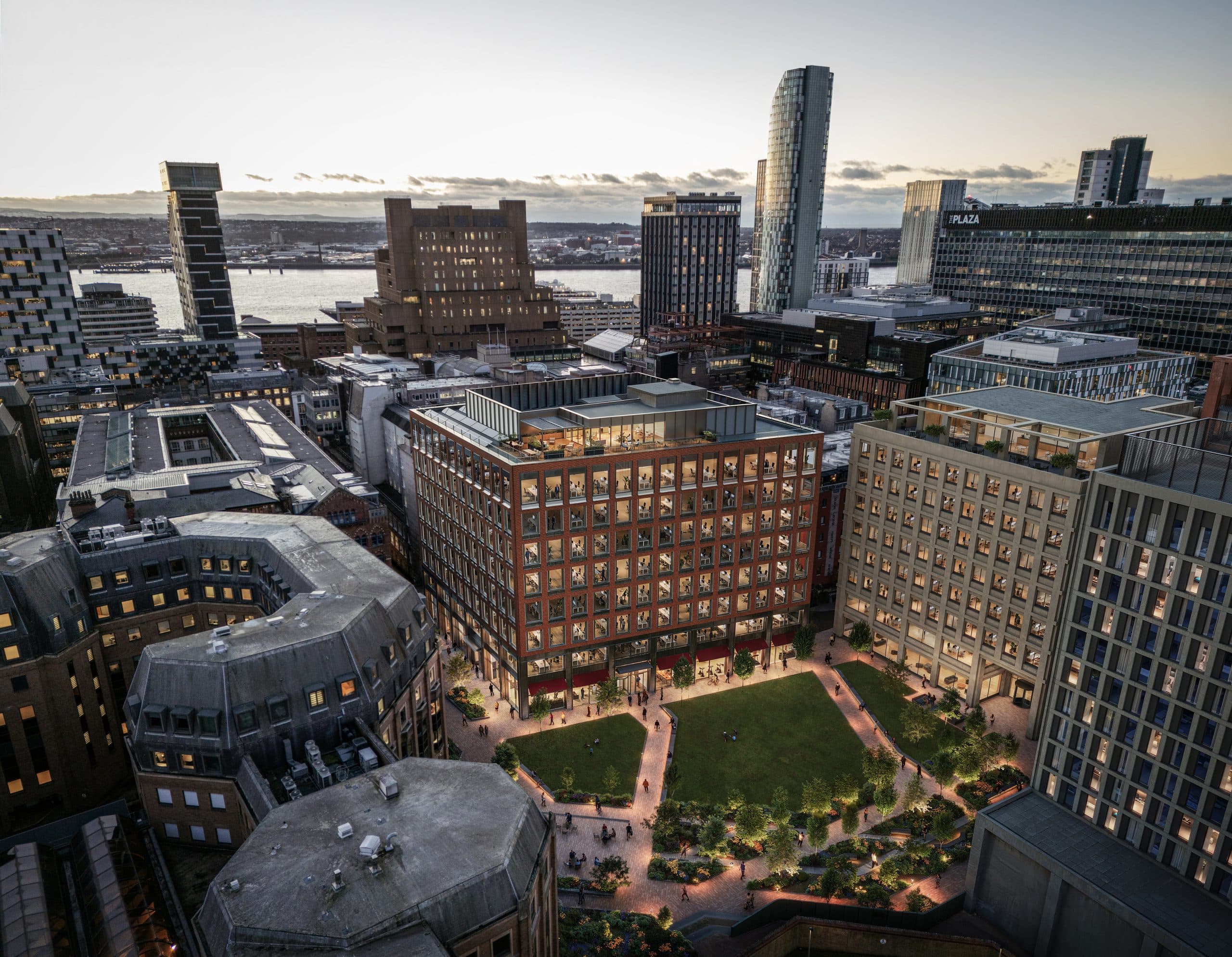
The Pall Mall office and park development has progressed following the July 2026 appointment of VINCI Construction as the design and build partner for the first phase. To address challenges in securing institutional investment, Liverpool City Council has implemented a revised funding strategy, committing to borrow £20.6m via the Public Works Loan Board, supplemented by funding from the Liverpool City Region Combined Authority and the Strategic Futures Fund. This £60m flagship scheme is set to deliver 111,500 sq ft of Grade A office space and a 0.5-acre public green space, with construction anticipated to commence in Q1 2027, subject to securing a pre-let agreement.
Current phaseContractor appointed, pre-construction
Liverpool North New Town
The Liverpool North New Town programme is progressing through active delivery phases, with the Vescock Street and Limekiln Lane development serving as the initial milestone. While the broader New Town designation was not granted by the government, Liverpool City Council and its partners are continuing with the regeneration of the Everton, Vauxhall, Anfield, and Kirkdale corridor. Concurrently, a public consultation for a new Mayoral Development Corporation (MDC) covering 174 hectares of the North Docks concluded in August 2026, with findings expected to be reviewed by the City Council and Combined Authority in September 2026 to coordinate large-scale housing and commercial growth.
Current phaseConsultation stage
Kirkby Regeneration and Investment Plan
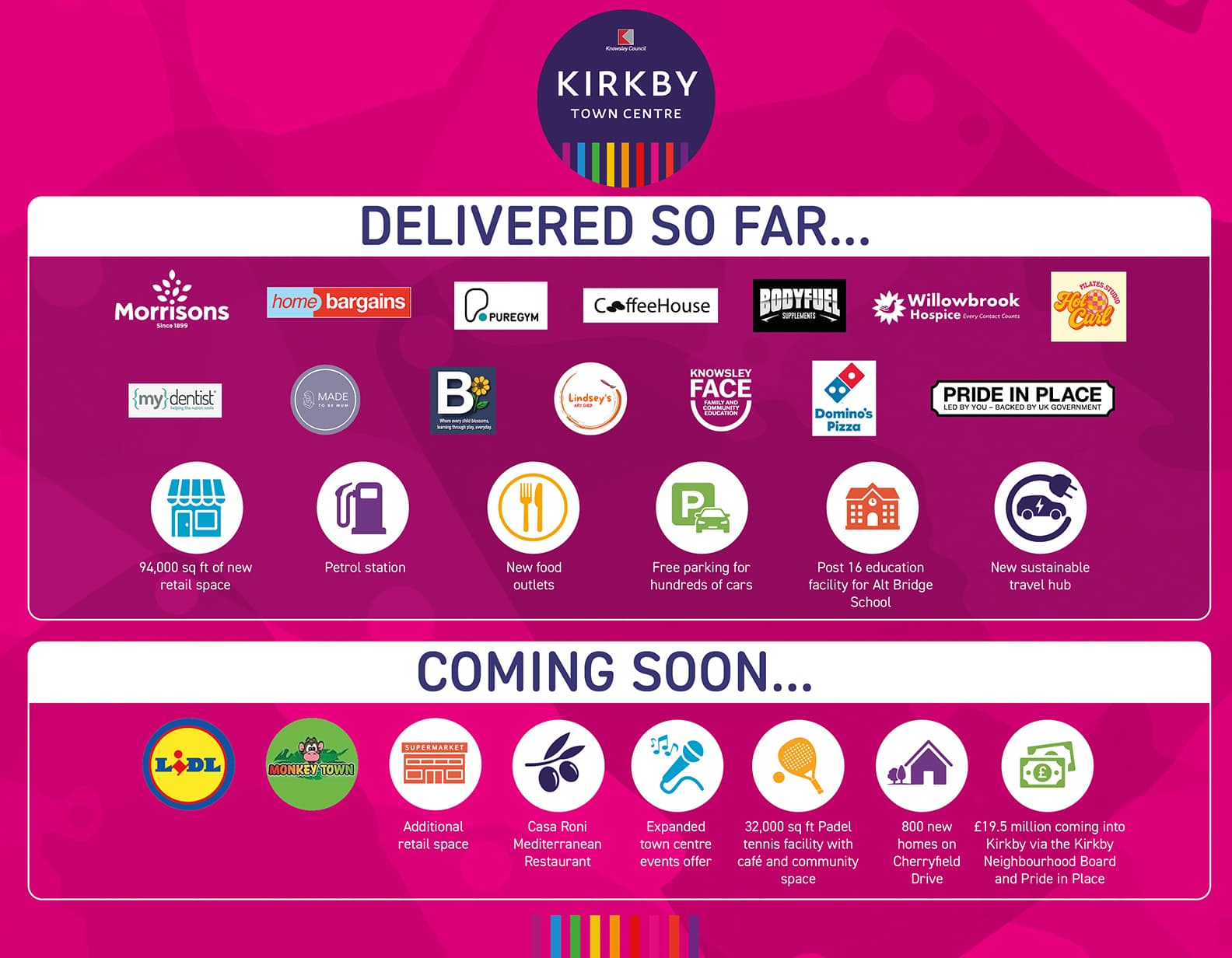
The Kirkby Regeneration and Investment Plan is a 10-year strategic framework (2026 to 2036) overseen by the Kirkby Neighbourhood Board, supported by £19.5 million in government Pride in Place funding. The initiative focuses on creating a vibrant town centre, fostering safe and inclusive neighbourhoods, and improving local employment pathways. Recent progress includes the confirmed September 2026 opening of the Monkey Town indoor family entertainment venue and the approval of a £5 million investment package, which includes £2.5 million of Pride in Place funding, towards a new 32,000 sq ft leisure facility featuring padel courts and community space.
Current phaseActive delivery phase
St Helens Town Centre Transformation
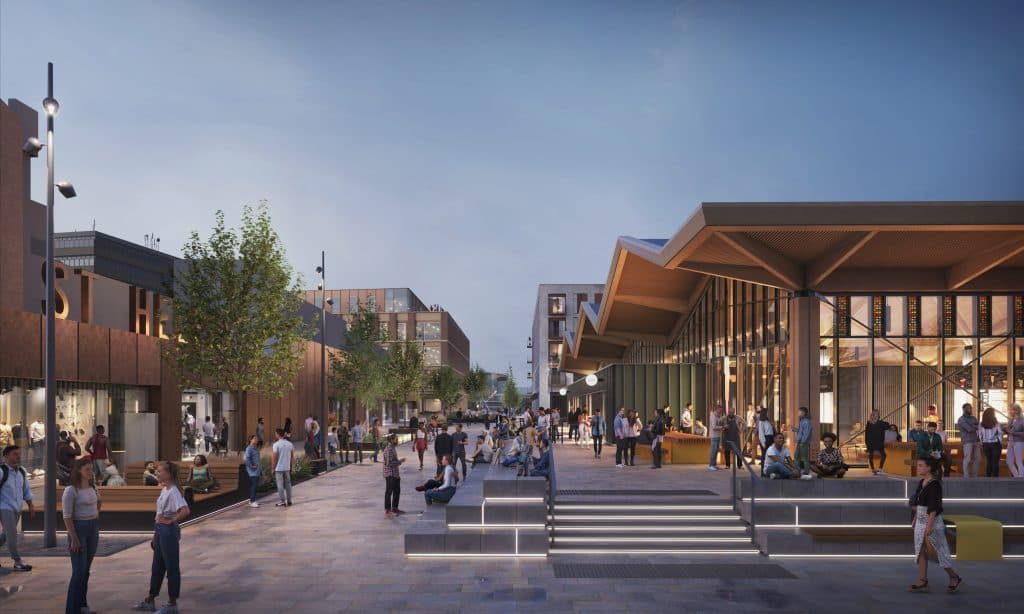
The St Helens Town Centre Transformation is a 24-acre regeneration project led by St Helens Borough Council in partnership with the English Cities Fund (ECF). Currently in its main construction phase, the project is delivering a new transport interchange, a modern market hall, a 120-bedroom Hampton by Hilton hotel, and 64 new residential units. As of August 2026, the project has transitioned into a critical phase involving essential highway and drainage infrastructure works, alongside the ongoing construction of concrete frames for the hotel and residential blocks, supported by recently installed tower cranes.
Current phaseMain construction phase
Fabric District Regeneration
The Fabric District regeneration is advancing through a community-led strategy, formalised by a January 2026 prospectus that outlines a vision for a vibrant, mixed-use urban quarter. Key progress includes a major public realm transformation project for Monument Place and the London Road corridor, supported by a significant £3.4m Section 106 investment from Liverpool City Council and further funding from the Liverpool City Region Combined Authority. This initiative aims to improve connectivity between the city centre and the Knowledge Quarter while fostering a sustainable environment for residents, independent businesses, and creative start-ups.
Current phaseDesign and implementation stage
Pumpfields & Limekilns Regeneration
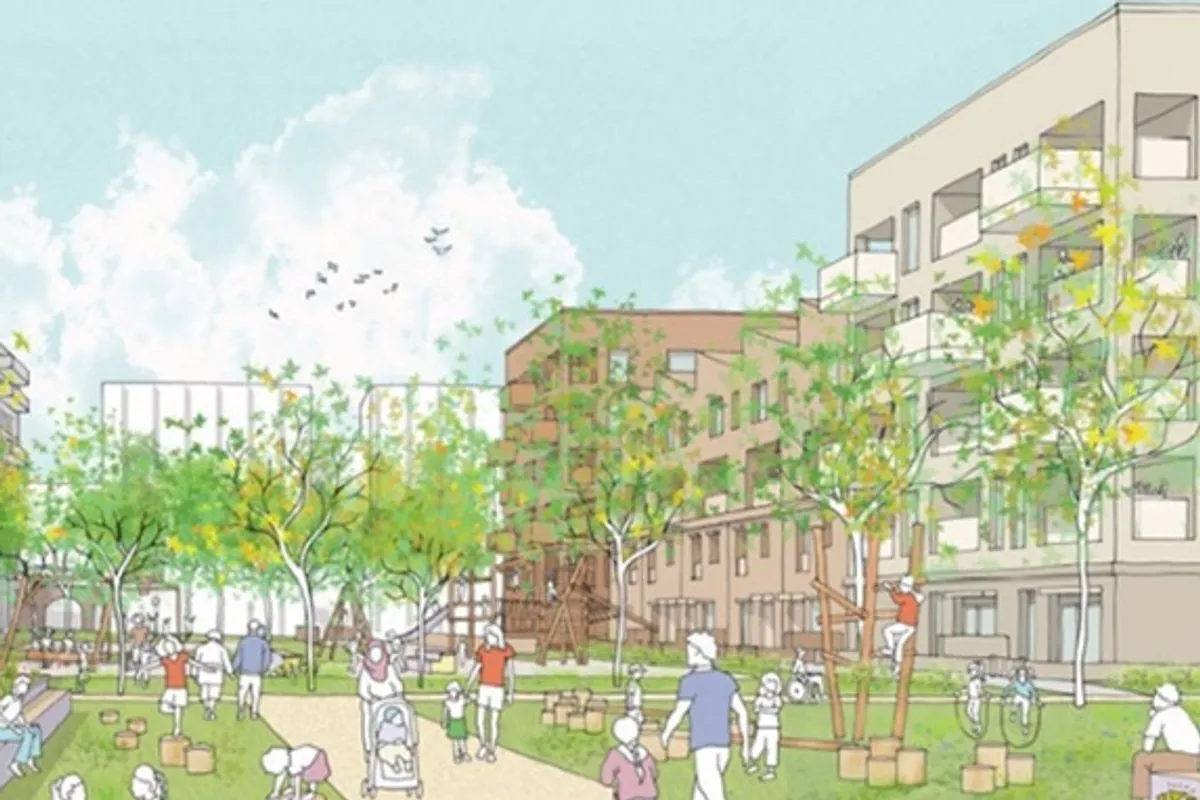
The Pumpfields and Limekilns regeneration project is in its implementation phase following the formal adoption of the Supplementary Planning Document (SPD) by Liverpool City Council on 2 June 2026. This masterplan provides a strategic framework to transform approximately 100 acres of brownfield land into a sustainable, high-density residential-led neighbourhood. The 20-year vision supports the delivery of over 7,000 new homes, alongside integrated public realm, active travel infrastructure, and mixed-use employment spaces, designed to connect the city centre with North Liverpool.
Current phaseImplementation phase following adoption
North Docks Mayoral Development Corporation (MDC)
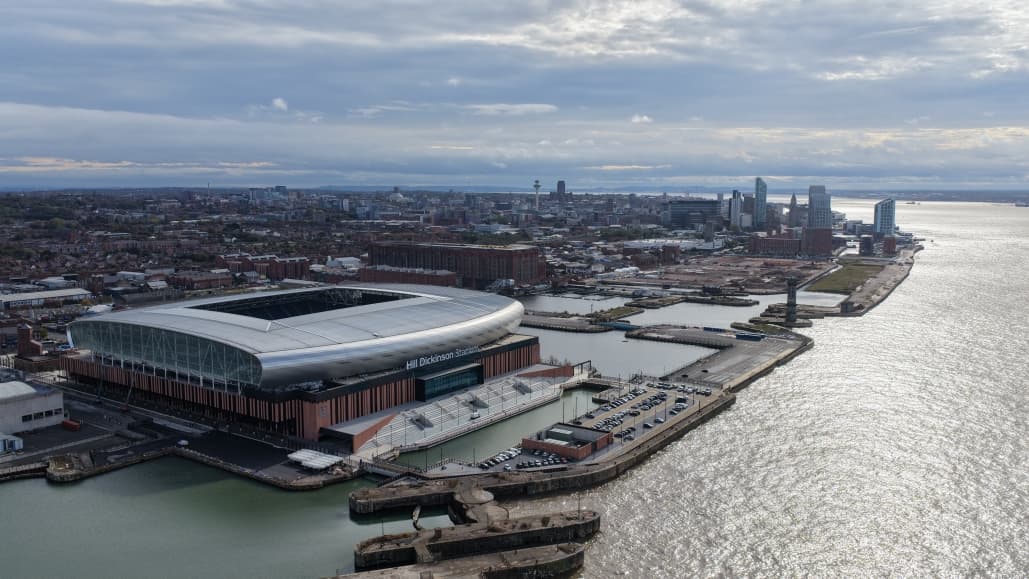
The Liverpool City Region Combined Authority and Liverpool City Council have concluded a six-week public consultation regarding the proposed North Docks Mayoral Development Corporation (MDC). This statutory body is intended to accelerate the regeneration of 174 hectares of brownfield land along the northern waterfront, integrating major projects such as the Liverpool Waters masterplan and the cruise liner terminal expansion. The consultation, which closed on 14 August 2026, invited feedback on the proposed name, boundaries, and powers of the MDC, which would include land assembly, funding, and planning decision-making capabilities for major developments.
Current phaseConsultation stage
Liverpool Central Station and City Centre Vision
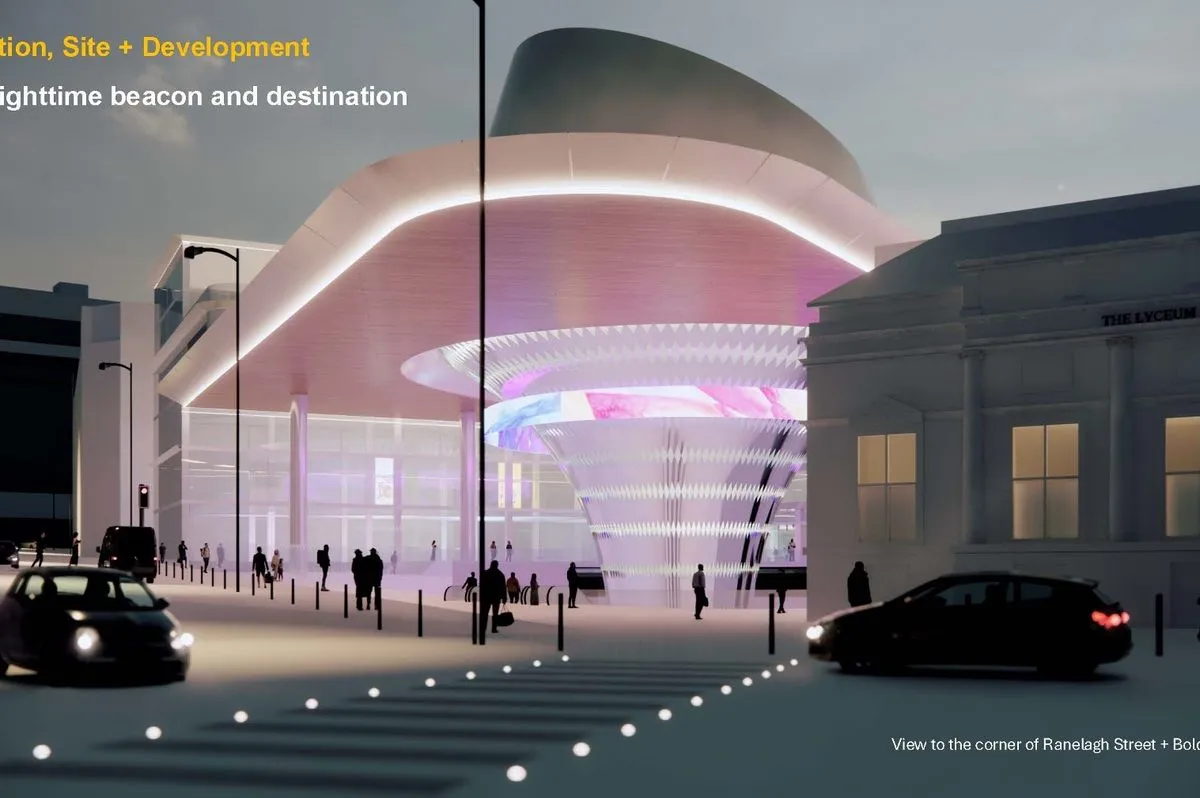
The Liverpool Central Station and City Centre Vision is a £5bn strategic regeneration programme focused on the comprehensive transformation of an 86-acre area of the city centre. Following the appointment of a specialist design team led by Hawkins\Brown in May 2026, the project completed a public consultation phase on 9 August 2026. This framework is designed to guide long-term investment, placemaking, and renewal, serving as a national pilot for the UK government's reformed Green Book appraisal process. AtkinsRéalis continues to support the Liverpool City Region Combined Authority in developing the masterplanning, business case, and funding strategy.
Current phaseConsultation stage
Bootle Town Centre Regeneration
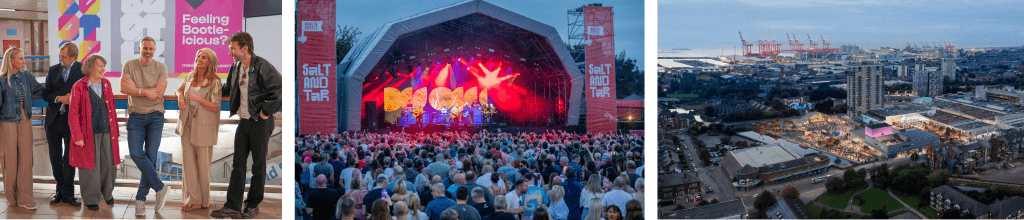
The Bootle Town Centre Regeneration is a long-term transformation programme led by Sefton Council, focused on repurposing the Strand shopping centre into a modern, sustainable community hub. Following the successful completion of demolition works along the Palatine block in early 2026, the project is transitioning into the next phase of development. This includes the redesign of Mons Square and further infrastructure improvements for the canalside Salt and Tar cultural venue, supported by the adopted Bootle Area Action Plan.
Current phaseActive post-demolition phase
The Littlewoods Project
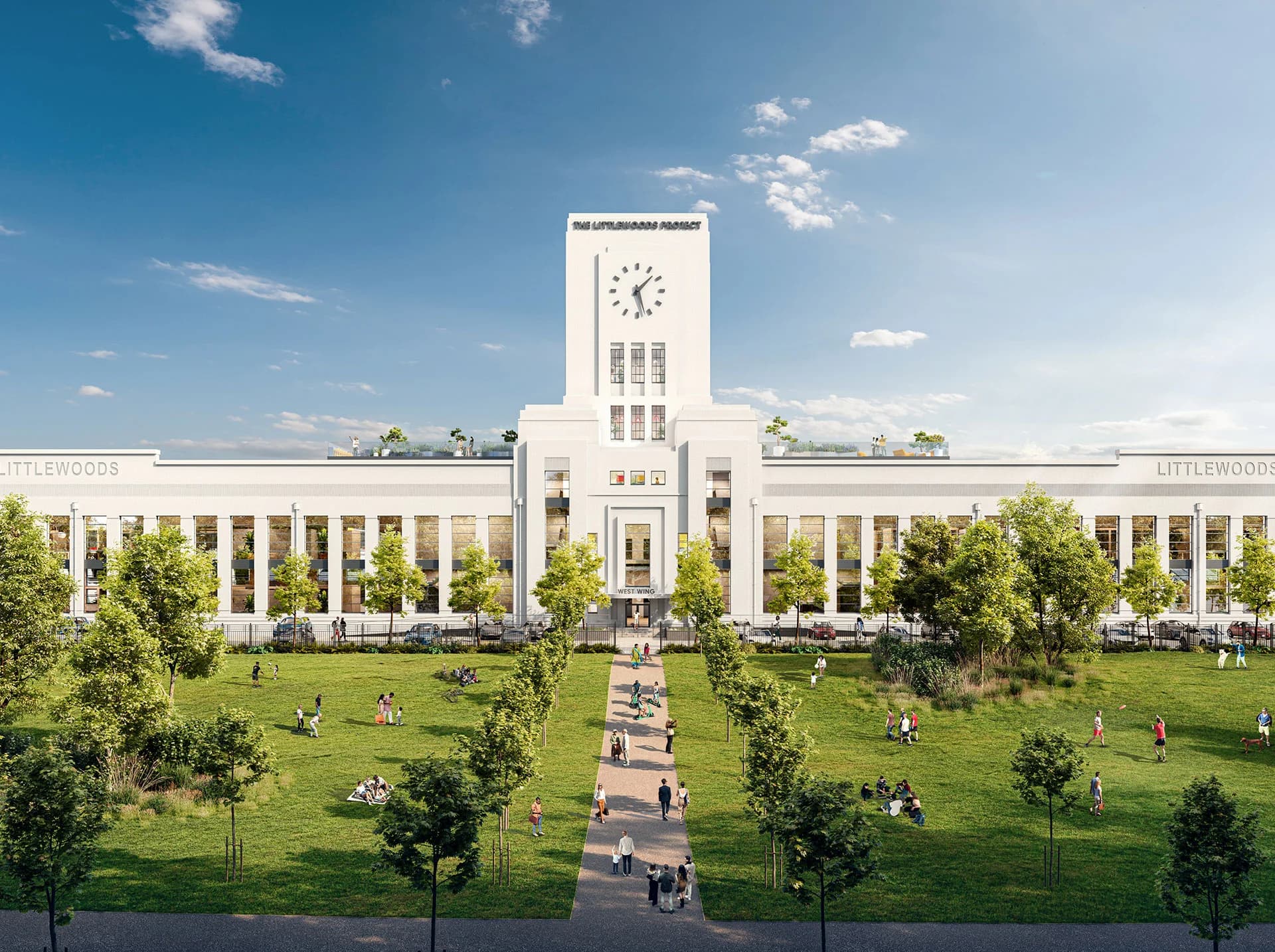
The Littlewoods Project remains in a critical transition phase as stakeholders work to finalise a funding package required to bridge a viability gap and commence the main construction of the film and TV campus. While planning permission was granted in October 2024 and initial enabling and remediation works are complete, the project requires further financial support to proceed. Liverpool City Council and the Liverpool City Region Combined Authority are actively engaging with UK government ministers, with recent reports from mid-2026 indicating positive ministerial interest in the scheme's potential to bolster the regional creative economy.
Current phaseFunding stage
Anfield Project
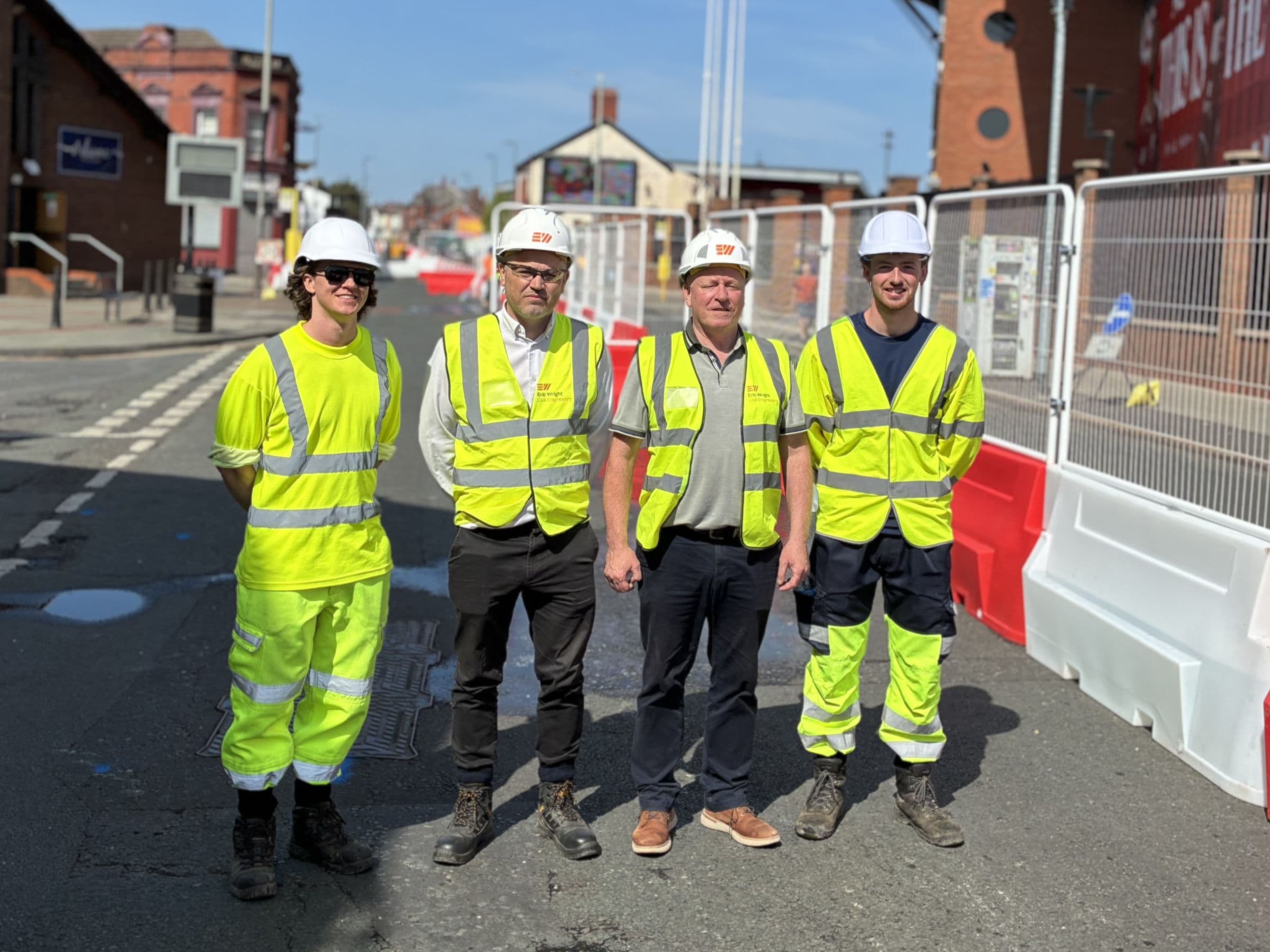
The Anfield Project continues to navigate a complex planning landscape, particularly regarding the permanent closure of Anfield Road to vehicular traffic. In July 2026, Liverpool City Council's planning committee voted that it is minded to refuse the application for permanent closure, citing concerns from local residents and ward councillors regarding community access and traffic management, despite recommendations for approval from planning officers. This decision remains subject to a final determination at a future committee meeting. Meanwhile, the multi-phase Walton Breck Road infrastructure and public realm improvement programme is progressing, with the third and final phase now underway and scheduled for completion in spring 2027.
Current phasePlanning stage
Baltic Triangle
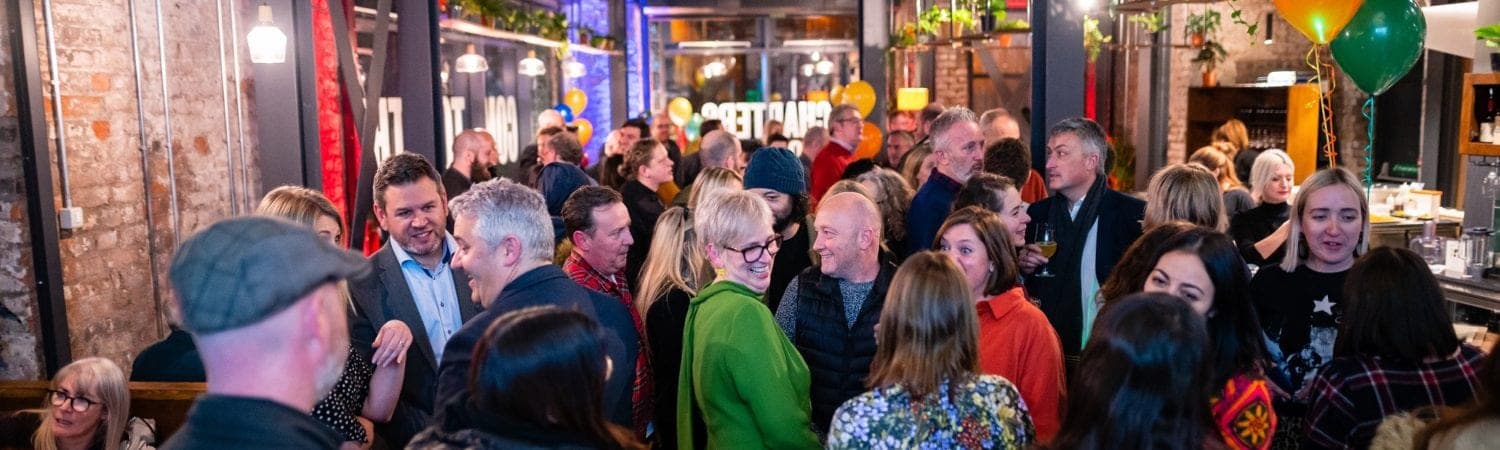
The Baltic Triangle continues its transition into a high-density, mixed-use urban neighbourhood, balancing its established creative identity with significant residential intensification. While the proposed £100 million Baltic rail station remains a cornerstone of the district's long-term transport strategy, its delivery timeline has been extended, with officials now looking toward 2029 for completion. Developer activity remains robust, with recent progress on major residential-led schemes, including the former Norton scrap metal site, reinforcing the area's ongoing transformation.
Current phaseOngoing district regeneration
Festival Gardens
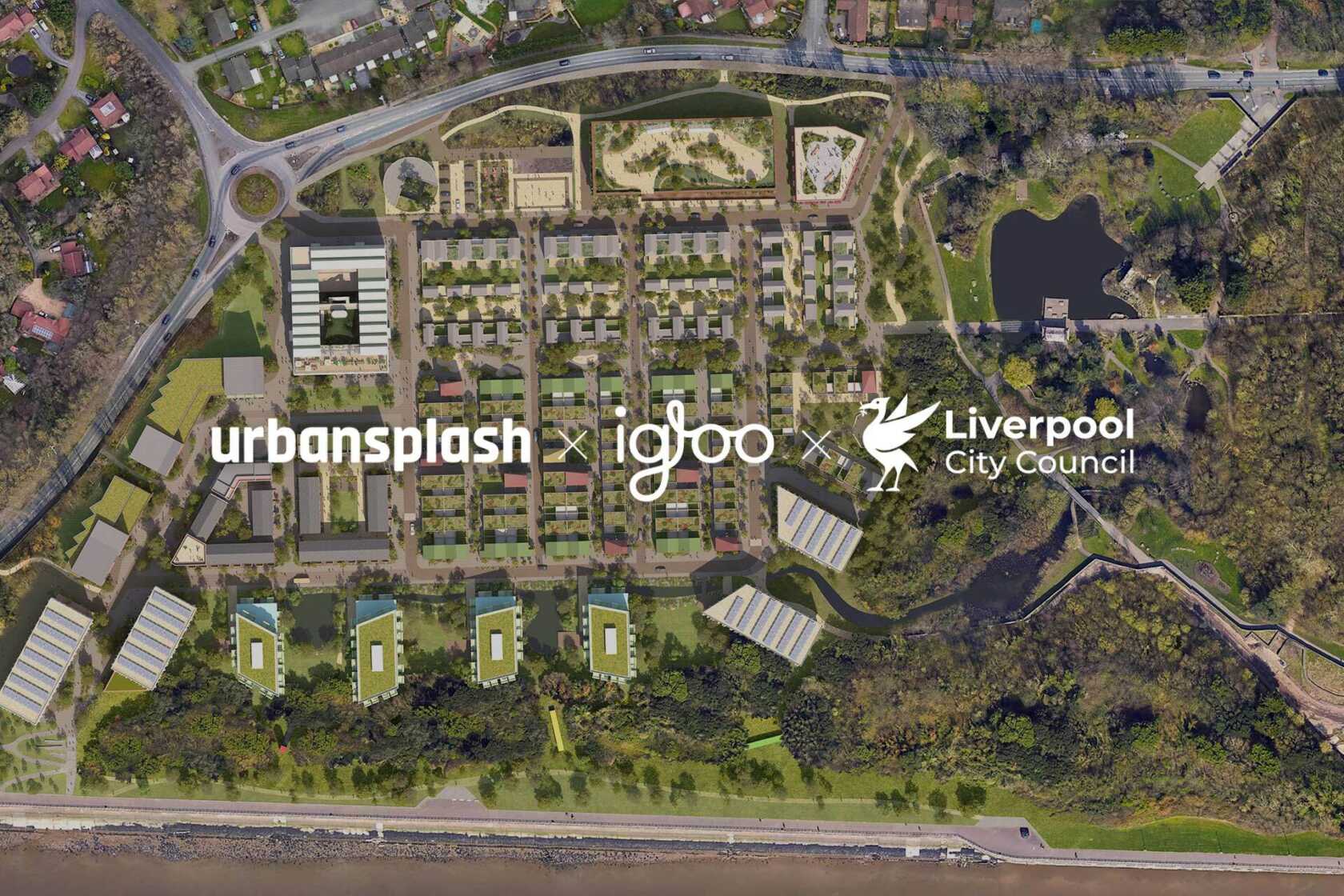
Festival Gardens is a 27-acre brownfield regeneration project on the Mersey waterfront, being advanced by a joint venture between Urban Splash and igloo Regeneration. Following extensive site remediation completed in 2023, the project is progressing toward the creation of a sustainable, multi-generational residential neighbourhood. The site is a key regeneration priority for Liverpool City Council, with a planning application for the first phase of 440 homes expected in late 2026 and construction anticipated to commence in 2027.
Current phasePlanning stage
Upper Central
Upper Central is a 56-acre regeneration initiative centred on Liverpool Central Station, acting as a strategic gateway between the city centre and the Knowledge Quarter. The project aims to deliver 2.5 million sq ft of mixed-use development, fostering growth in the digital, tech, and creative sectors while improving public realm and connectivity. The framework remains a long-term priority for the city, with ongoing efforts to integrate mobility strategies and unlock key development sites.
Current phaseSpatial Regeneration Framework stage

Ten Streets
Ten Streets is a 125-acre regeneration district in Liverpool's northern docklands, currently being integrated into a wider strategic masterplan under the proposed Liverpool North Docks Mayoral Development Corporation (MDC). The initiative aims to transform the area into a mixed-use extension of the city centre, balancing its industrial and creative heritage with large-scale residential and commercial development, supported by new infrastructure and connectivity improvements.
Current phaseConsultation stage
Paddington Village
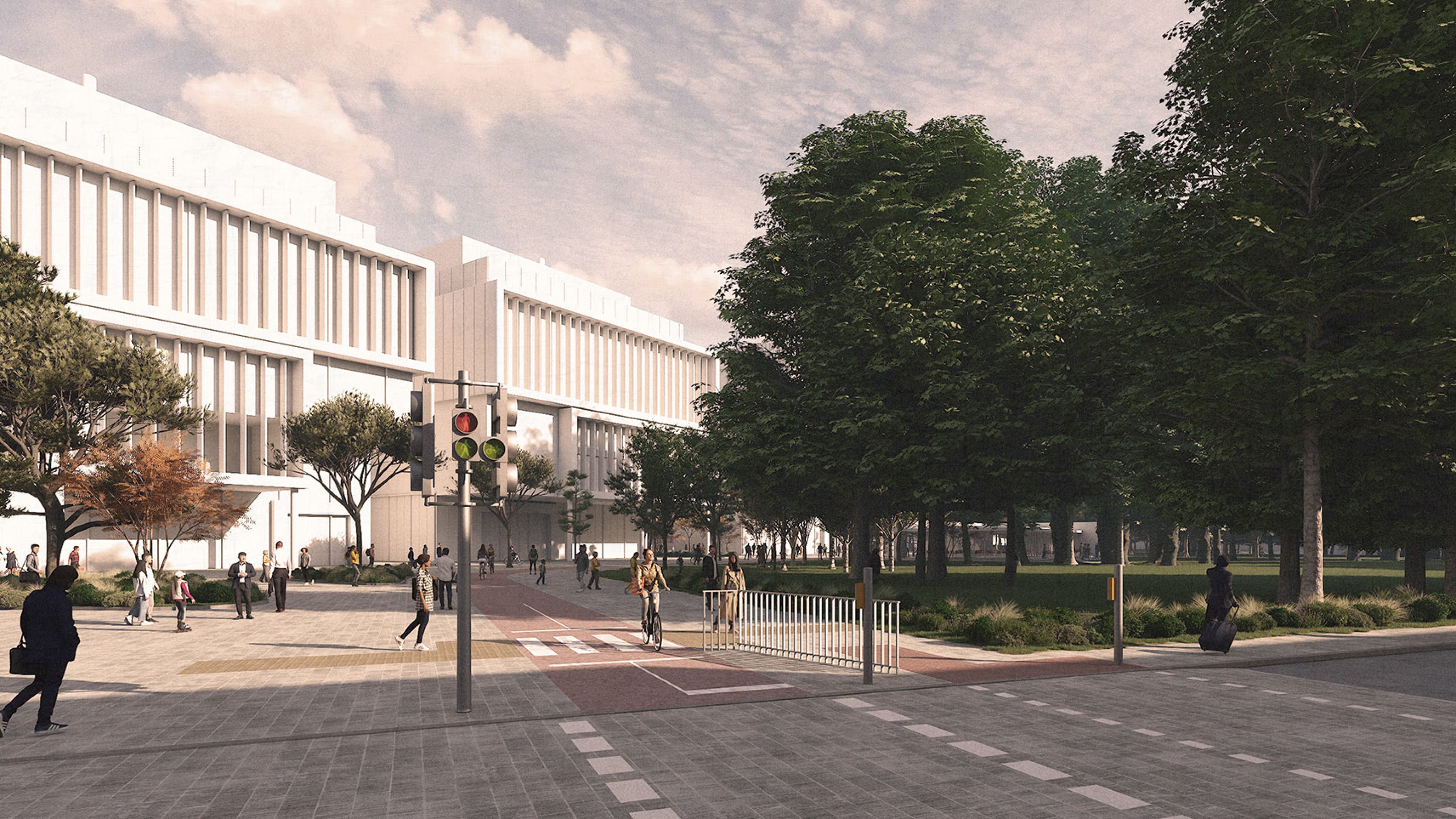
Paddington Village continues to evolve as a central pillar of Liverpool's Knowledge Quarter, with the Paddington South masterplan now the primary focus for expansion. Following a public consultation in early 2026, the 9-acre southern site is being prepared for a mixed-use innovation cluster, specifically targeting materials chemistry and AI-driven research. Key infrastructure includes the £111 million University of Liverpool chemical sciences facility, which will house the £100 million AI Materials Hub for Innovation (AIM-HI) by 2031. Additionally, the HEMISPHERE One laboratory and workspace scheme has been redesigned with a traditional red-brick aesthetic, with construction anticipated to progress following the completion of site-enabling works.
Current phaseMasterplan and design stage
Central Docks, Liverpool Waters
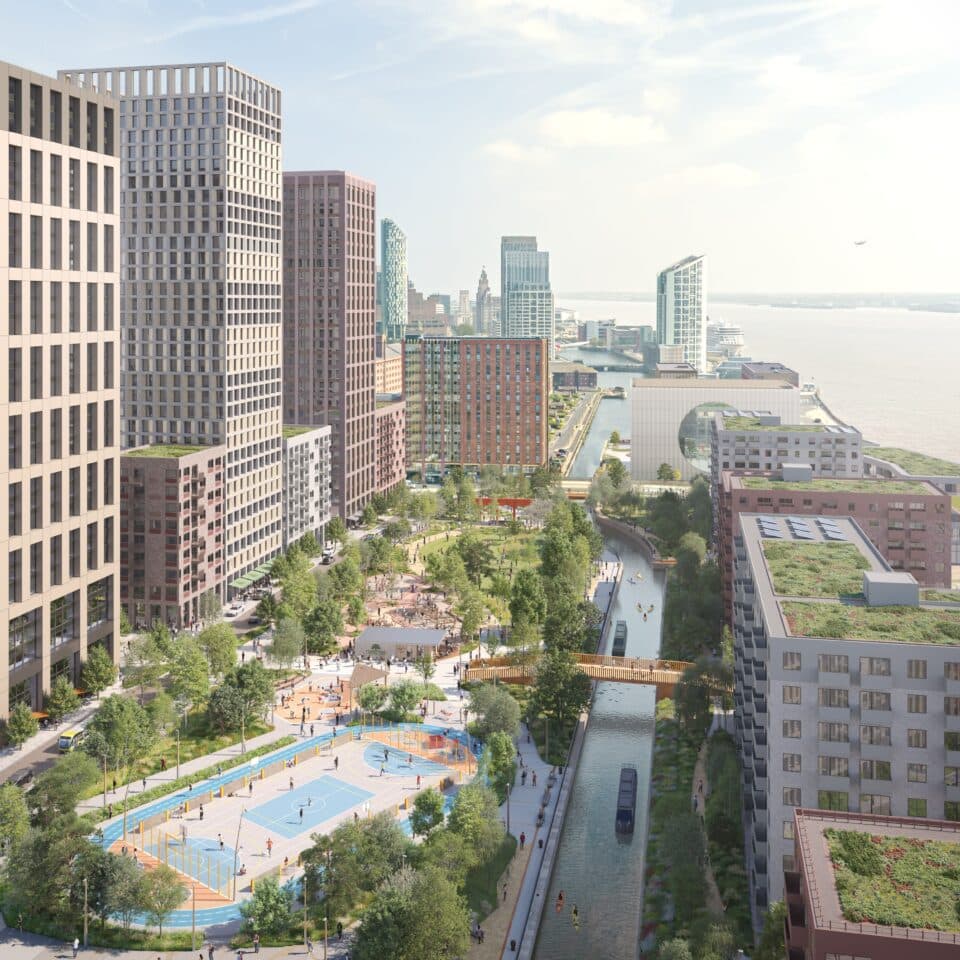
Central Docks is a flagship neighbourhood within the Liverpool Waters masterplan, currently undergoing significant infrastructure and remediation works. Supported by a funding partnership between Peel Waters and Homes England, the project is preparing 22 to 26 acres of brownfield land for a mixed-use community, including 2,350 homes and a five-acre central park. Infrastructure works, led by contractor GRAHAM, are progressing on site, with the completion of enabling works and the park anticipated by 2028, followed by phased residential development.
Current phaseInfrastructure and remediation underway